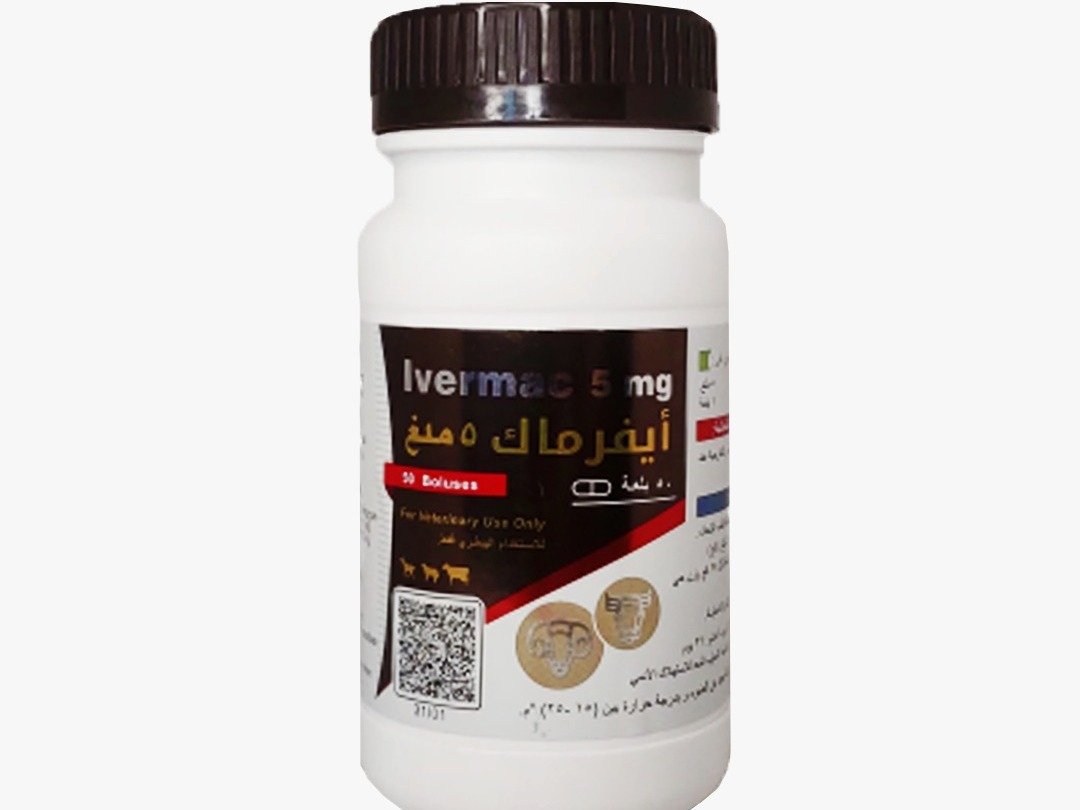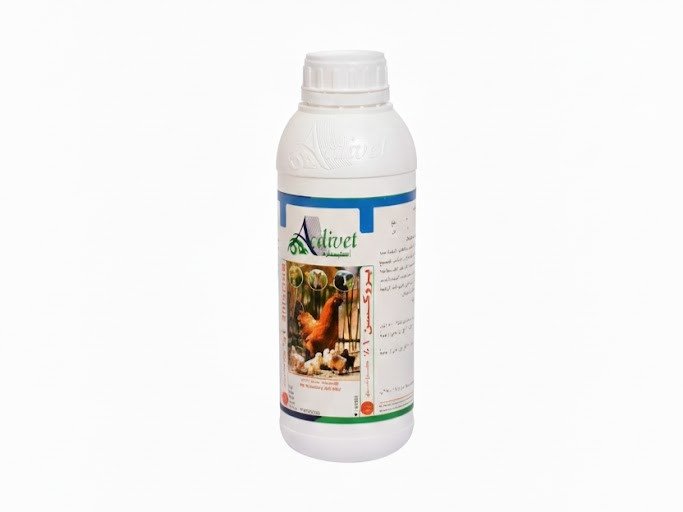

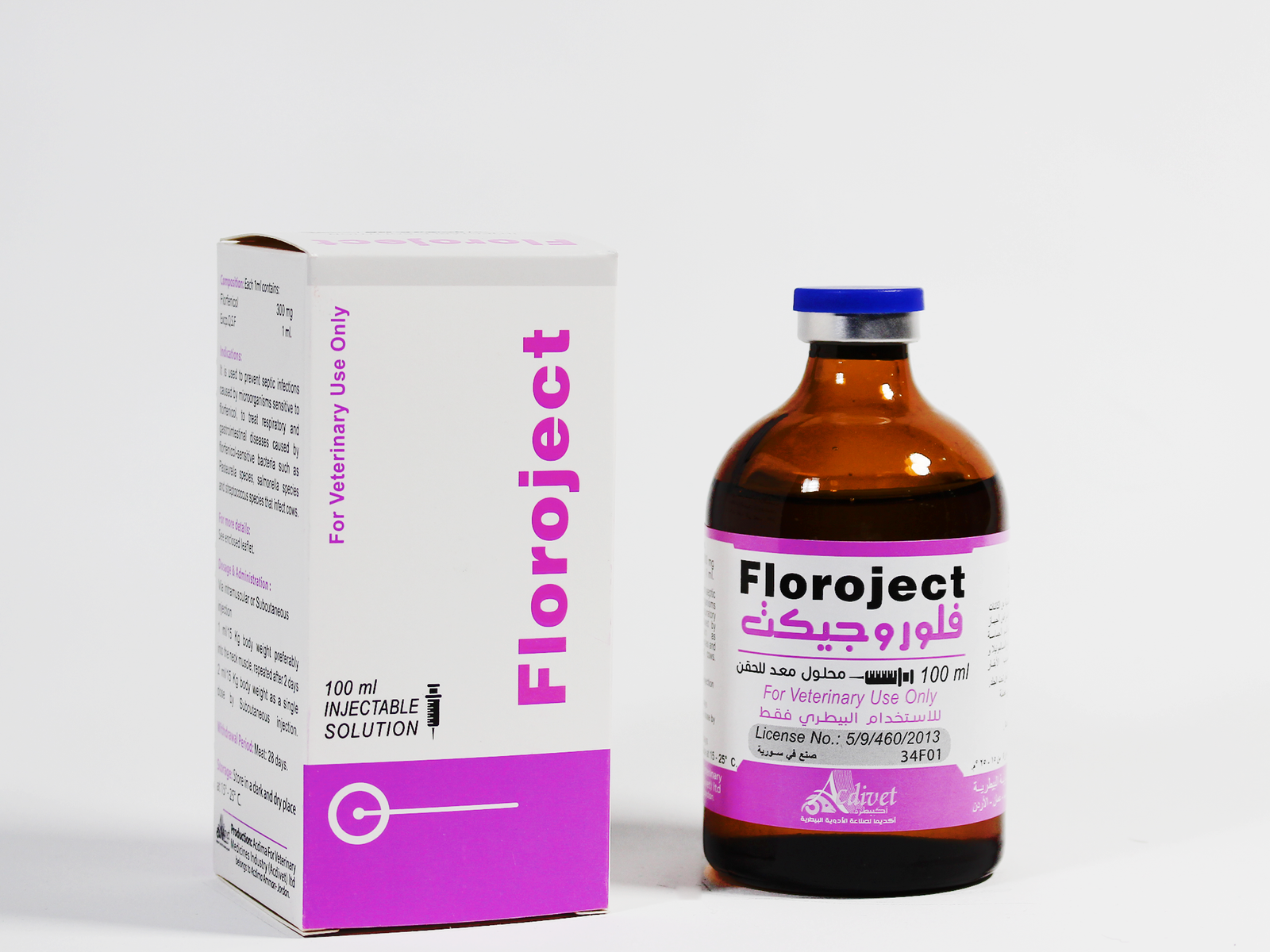
Florfenicol Injection is a broad-spectrum antibiotic used for parenteral use.
Florfenicol Injection / Floroject ®
What is Florfenicol?
| Antibiotic |
Therapeutic Class |
|
Cow , Goat , Sheep , Pig |
Target Species |
|
300mg Florfenicol |
Active Ingredients |
Florfenicol
Florfenicol Injection is an antibiotic drug used to treat or prevent certain bacterial infections in livestock animals such as cows, goats, sheep and pigs. It is indicated for the treatment of illnesse s such as bovine respiratory disease (including Pasteurella multocida) and bovine interdigital phlegmon (including Fusobacterium and Bacteroides).
Florfenicol is a thiamphenicol derivative, which is similar in action to chloramphenicol. It works by inhibiting protein synthesis within the bacteria. Florfenicol displays a broad spectrum of antibacterial activity against gram-negative bacilli, gram-positive cocci, and atypical bacteria like Mycoplasma.
Florfenicol functions by targeting the ribosomes within the bacterial cell. Ribosomes are essential components for the synthesis of proteins, which are critical for cell growth and replication. By inhibiting the peptidyl transferase activity of the 50S ribosomal subunit, florfenicol disrupts protein
synthesis within the bacterial cell, leading to cell stasis and ultimately cell death. Indications for the use of Florfenicol Injection extend beyond just bovine respiratory diseases and interdigital phlegmon. Its efficacy has been observed in the treatment of various other infections caused by susceptible organisms, including Actinobacillus pleuropneumoniae, a causative agent for porcine pleuropneumonia, and Mannheimia haemolytica, which is responsible for causing pneumonia in sheep and cattle.
The drug is also used for infectious diseases that are multidrug resistant.
While florfenicol is a potent antibiotic with a broad spectrum of activity, it must be administered with precision to prevent the emergence of drug-resistant bacterial strains.
Overuse or misuse can lead to a reduction in the drug's effectiveness over time.
Note that Florfenicol Injection is for veterinary purposes only. Always consult a veterinarian befor administering this medication to ensure its appropriate and safe use for the specific animal.
Indications :
Used for the prevention of infectious infections caused by microorganisms sensitive to florfenicol, and for the treatment of respiratory and digestive diseases caused by florfenicol-sensitive bacteria, such as species affecting cattle.
- Pasteurella species
- Salmonella species
- Streptococcus species
Dosage and Administration :
- Intramuscular or subcutaneous injection.
- 1 mL per 15 kg of body weight, preferably administered in the neck muscle; repeat treatment after 2 days.
- 2 mL per 15 kg of body weight subcutaneously, administered as a single dose.
Precautions :
Do NOT use Florfenicol Injection for an animal that:
- has a known allergy or hypersensitivity to any of the ingredients.
- is intended for breeding.
- has a pre-existing severe hepatic disorder.
- is suffering from impaired renal function.
- has a history of blood dyscrasias or bone marrow suppression.
Florfenicol Injection should be used with caution in animals that:
- are pregnant or lactating.
- have a known history of gastrointestinal disorders or sensitivities.
Concurrent use of other medications that have potential bone marrow suppressive properties, such as other antibiotics or chemotherapeutics, can amplify the risk of additive hematologic side effects. There may be interactions with drugs that undergo hepatic metabolism, as florfenicol can affect liver enzyme activity.
Consult with a veterinary specialist before combining florfenicol with other medications.
Side Effects :
As with all pharmaceuticals, some unwanted effects can occur from the use of Florfenicol Injection. Animals should be monitored closely as soon as the regimen is started to ensure safety.
Some common side effects may include but are not limited to:
- gastrointestinal effects
- trim loss at the injection site
- swelling or inflammation at the injection site
- transient diarrhea
- decreased appetite
Serious side effects may include:
- allergic reactions
- anorexia or decreased water consumption
- signs of blood dyscrasias (e.g., unexplained bleeding or bruising)
- acute kidney injury