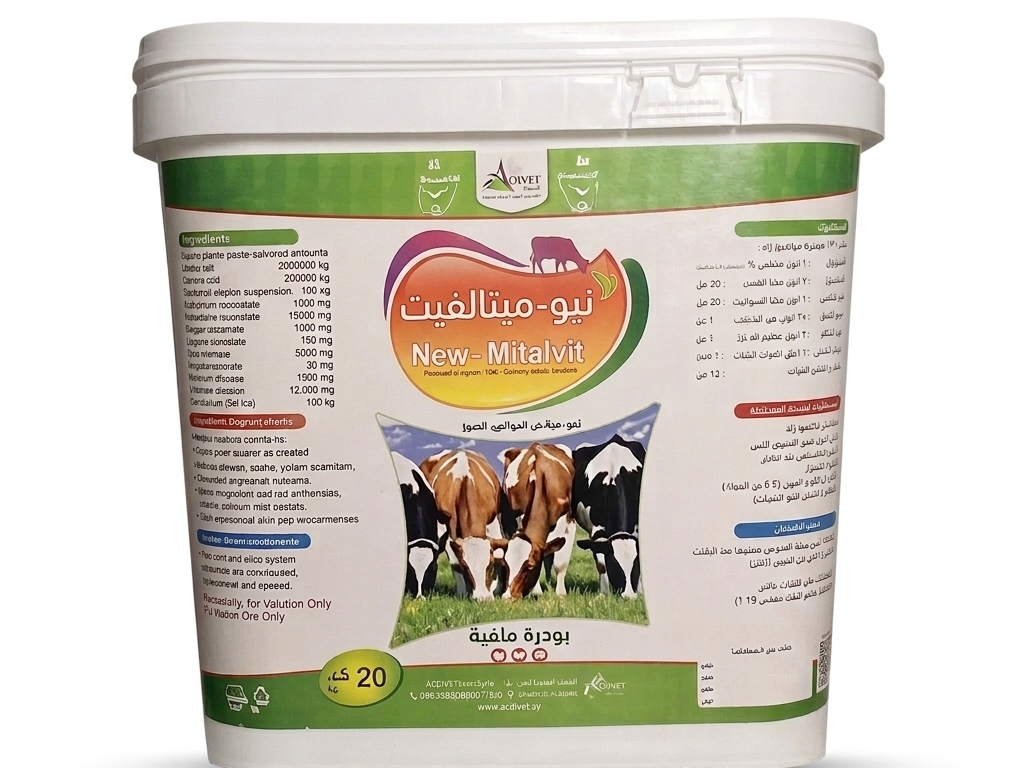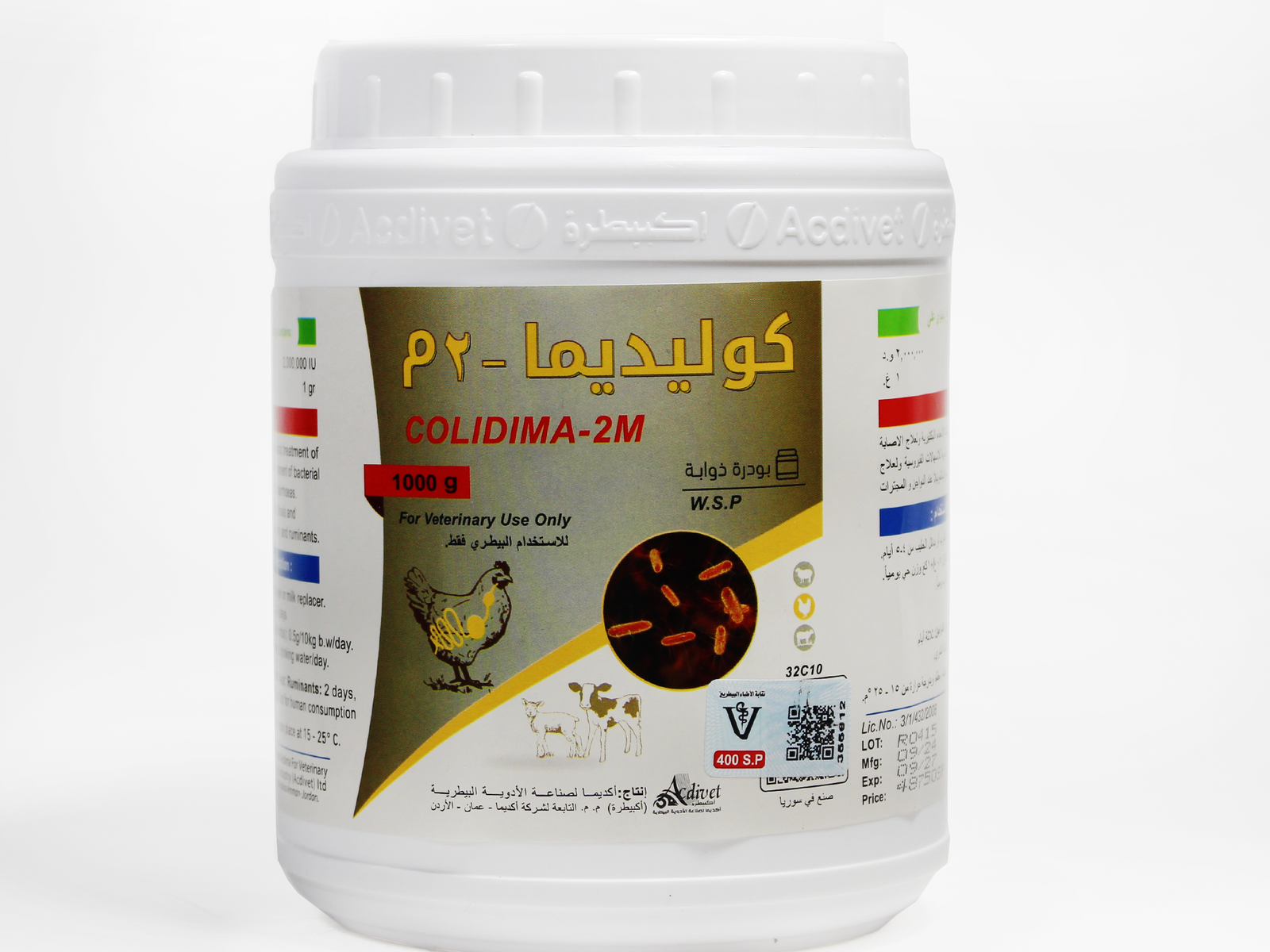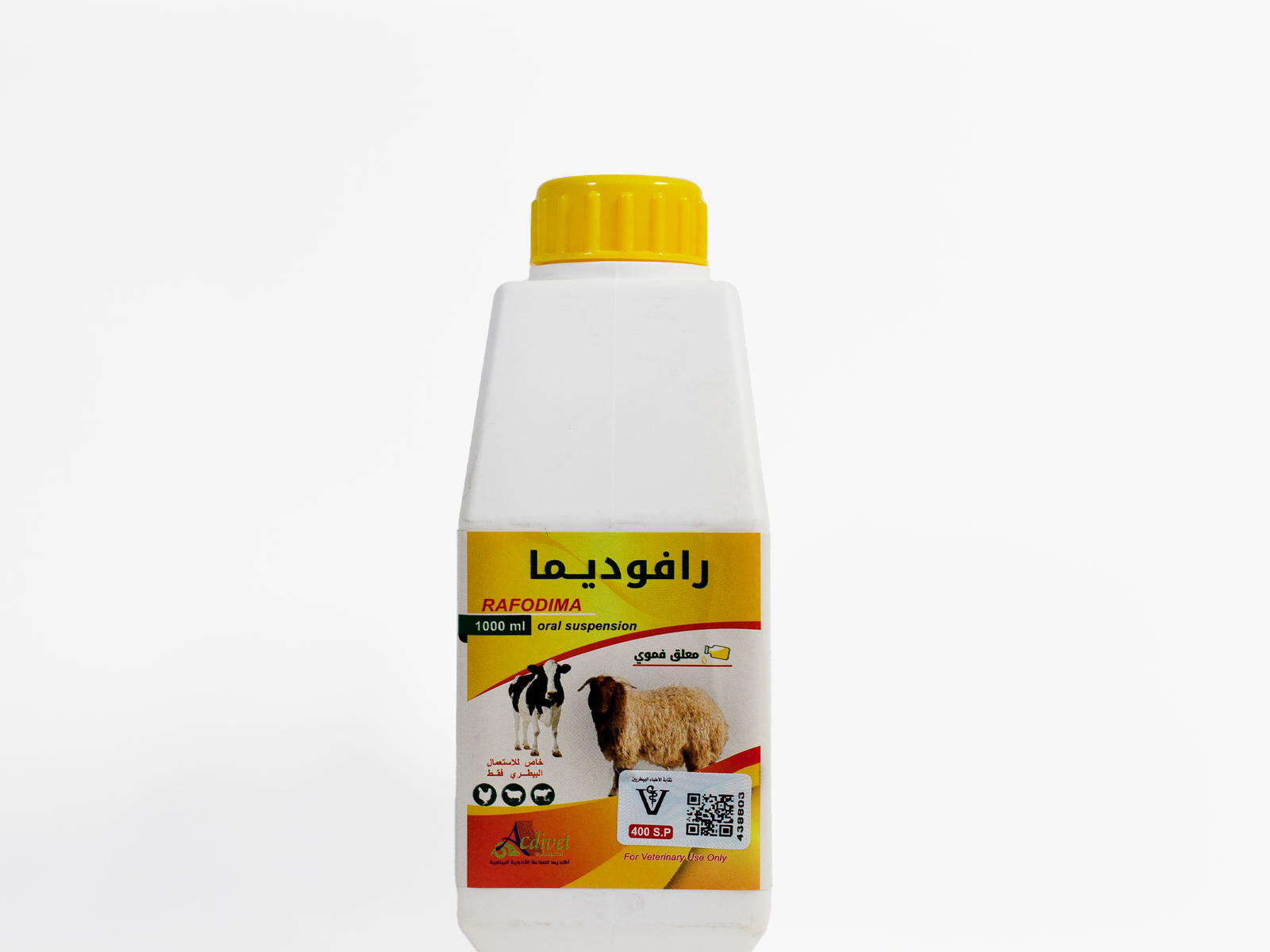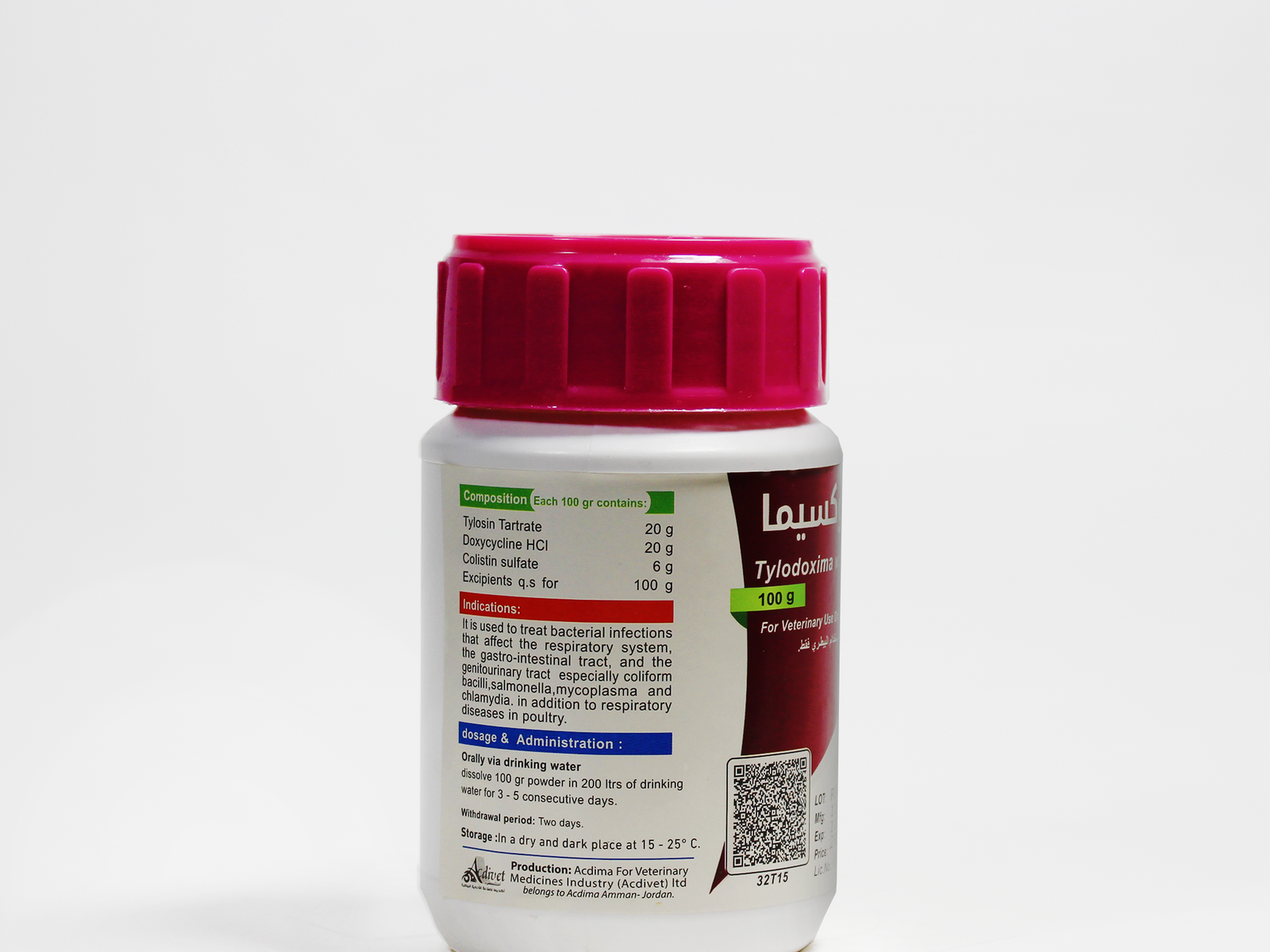

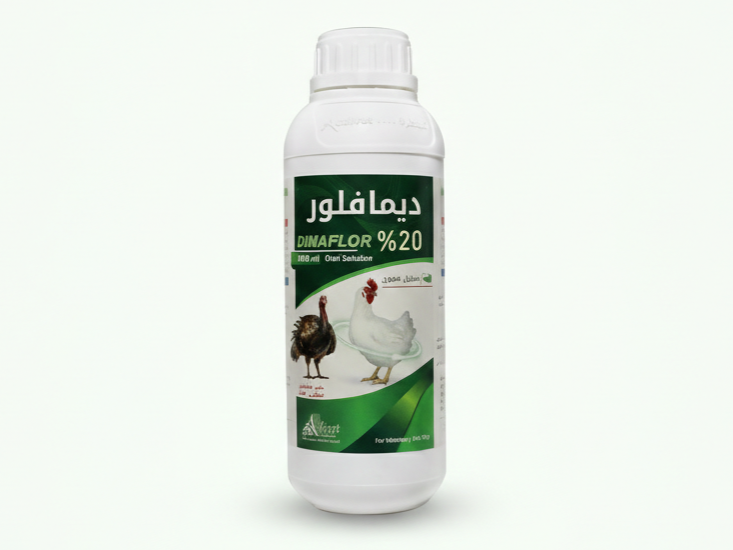
Florfenicol oral solution is used in the treatment of various poultry diseases, various infections and diarrhea, and is also considered a specific treatment for salmonella in poultry.
Florfenicol Oral Suspension/ Dimaflor 10% ®
What is Florfenicol Oral Suspension ?
|
Antipyretic |
Therapeutic Class |
|
Poultry |
Target Species |
|
Florfenicol 10g |
Active Ingredients |
Florfenicol
Indications :
Florfenicol is a synthetic, broad-spectrum antibiotic effective against most Gram-positive and Gram-negative bacteria. It is a derivative of chloramphenicol, with higher therapeutic efficacy compared to thiamphenicol or chloramphenicol. Florfenicol demonstrates activity against bacteria resistant to thiamphenicol and chloramphenicol.
Florfenicol is well absorbed after oral administration via drinking water and is widely distributed throughout the body, providing an effective therapeutic action against a broad range of pathogenic microorganisms, including: Salmonella spp., Escherichia coli, Clostridium spp., Mycoplasma spp., Pasteurella spp., Mannheimia spp., Histophilus spp., Haemophilus spp., Enterobacter spp., Klebsiella spp., Shigella spp., Actinobacillus spp., Staphylococci, Streptococci, Bacteroides spp., Fusobacterium spp.
Florfenicol is lipophilic, which allows it to achieve high therapeutic concentrations, enabling effective intracellular penetration and the ability to cross biological barriers to reach target tissues and eliminate causative pathogens.
Accordingly, Dimaflor is used for the prevention and treatment of the following conditions:
- Gastrointestinal infections, including enteritis, peritonitis, and cases of diarrhea.
- Respiratory tract infections, including sinusitis, infections of the respiratory passages, lungs, and air sacs.
- E. coli infections and Chronic Respiratory Disease (CRD).
- Omphalitis and yolk sac infections.
- Salmonellosis, where it is considered a specific and effective treatment against various Salmonella species in poultry.
- Clostridial infections causing necrotic and ulcerative enteritis.
- Bacterial septicemia and persistent bacterial infections resistant to other antibiotics.
Dosage and Administration :
Administer orally via drinking water at a dose of 200 ml per 200 liters of drinking water for 3–5 consecutive days.