
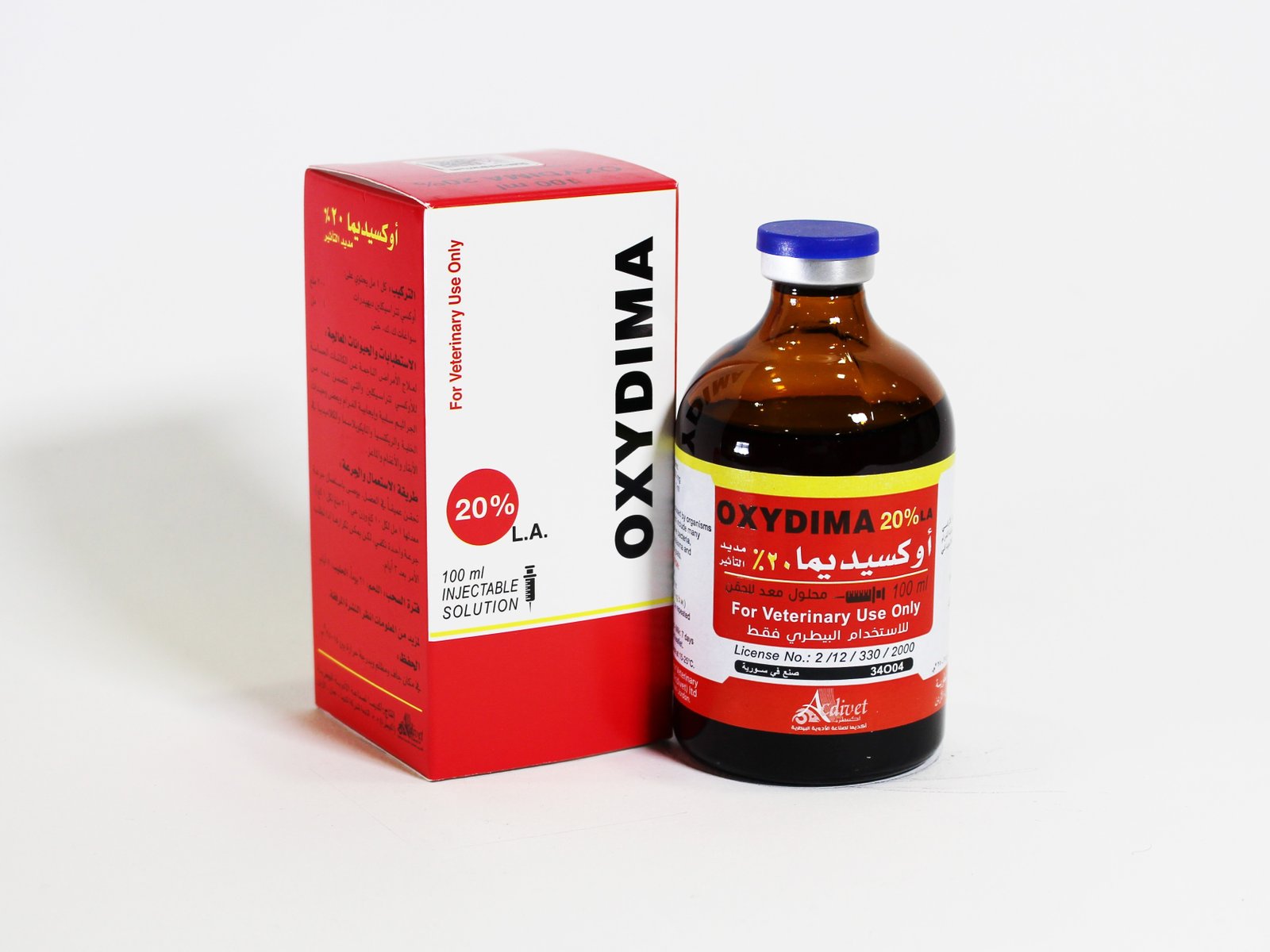
Oxytetracycline Injection is a tetracycline antibiotic for parenteral use in livestock animals
Oxytetracycline dihydrate
Oxytetracycline Injection is an antibiotic used to treat many kinds of bacterial diseases in livestock like cows, goats, horses, sheep and pigs. In cattle, it is indicated for infections such as pneumonia, shipping fever, foot rot, diphtheria, bacterial enteritis, wooden tongue, leptospirosis, and anaplasmosis.
Oxytetracycline is also indicated for the treatment of bacterial enteritis and leptospirosis and the prevention of atrophic rhinitis in pigs. The drug works by targeting and inhibiting the bacteria responsible for intestinal infections, alleviating symptoms like diarrhea and abdominal discomfort. For leptospirosis, which can affect the liver and kidneys, it helps by eradicating the Leptospira bacteria, reducing the risk of severe health complications and aiding in recovery.
Oxytetracycline is a broad-spectrum antibiotic in the tetracycline family. It is derived from the fermented product of Streptomyces rimosus. Oxytetracycline works by inhibiting protein synthesis in the bacteria. It is active against both gram-positive and gram-negative bacteria, including Mycoplasma pneumoniae, Diplococcus pneumoniae, and Escherichia coli. It also shows action against Chlamydia, Rickettsia, and spirochetes.
Oxytetracycline exerts its therapeutic effect by binding to the 30S ribosomal subunit of bacteria, inhibiting the binding of aminoacyl-tRNA to the RNA-ribosome complex. This action blocks the addition of amino acids to the growing peptide chain during protein synthesis. As a result, the bacterial cell's ability to synthesize proteins essential for its survival and multiplication is impeded.
This mechanism of action is effective against a wide range of bacteria due to its ability to penetrate bacterial cells and affect intracellular pathogens. But its efficacy can be influenced by the bacteria's susceptibility and the drug concentration achieved at the site of infection. While oxytetracycline is effective against many types of bacteria, its use should be guided by susceptibility testing where possible.